Protecting Your Baby From Germs: What to Know
Viruses and bacteria are germs that can make your baby sick. Some cause worse illness in babies than in adults.
Your baby will likely get sick at some point. There are things you can do to try to keep your baby from getting sick.
What are respiratory illnesses?
Respiratory illnesses are illnesses that happen when germs infect the parts of the body that are used for breathing. These include your baby's nose, throat, windpipe, and lungs.
Respiratory illnesses can cause breathing problems. Most of the time, the problems aren't that bad and can get better on their own in a few days. But, in some cases, they can be very bad or even lead to death.
Common respiratory illnesses in babies include:- Colds.
- COVID-19.
- The flu.
- Respiratory syncytial virus (RSV).
- Whooping cough, or pertussis.
- Putting something with germs on it in their mouth, such as a pacifier.
- Touching something that has germs on it and then touching their mouth, nose, or eyes.
- Breathing in droplets in the air from a cough or sneeze of someone who is sick.
What can I do to lower my risk and my baby's risk of getting sick?
Stay up to date on your own vaccines. This ensures that you stay healthy so that you don't get your baby sick.- Get the Tdap vaccine to protect your baby from whooping cough.
- Get a flu vaccine every year.
- Stay up to date on COVID-19 vaccines and boosters.
- Encourage family members to stay up to date with flu, COVID-19, and whooping cough vaccines.
Take your baby for well-child check ups.
Get your baby their vaccines. Vaccines are given at certain ages on a schedule. Following the schedule helps to space the doses that your baby needs. The schedule also ensures that:- The baby gets their vaccines at the best age for their disease-fighting system (immune system).
- The baby gets the vaccines at the age when they are most likely to get sick.
Do not smoke or let others smoke around your baby or in your home. Tobacco smoke can increase your baby's risk of getting sick.
Can breast milk help protect my baby?
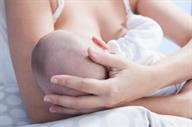
Breast milk can protect your baby from getting sick. This is because breast milk contains proteins (antibodies) that are part of the body's immune system.
Antibodies in breast milk may protect the baby from an illness if the mother:- Has been vaccinated against that illness.
- Has had the illness before.
- Was exposed to the illness while breastfeeding.
Babies that are fed breast milk can still get sick. But they may get better faster.
How can I prevent the spread of infection?
Wash hands
Washing your hands is one of the best ways to protect your baby and yourself from getting sick.- Anyone who cares for your babyshould wash hands with soap and water for at least 20 seconds, especially before and after touching your baby. If soap and water aren't available, use hand sanitizer.
- Wash your hands when you prepare food, before you eat, and before you feed your baby.
- After cleaning your hands and before touching your baby, avoid touching your mouth, face, eyes, or nose.
- Cover your nose and mouth if you cough or sneeze.
- Use a tissue and throw it away right after you cough or sneeze.
- Use your arm and sleeve to cover your cough or sneeze.
- Wash your hands after blowing your nose, coughing, or sneezing.
Limit visitors
Limit visitors and activities.- Before letting people visit, think about the risks of illness to you and your baby.
- Have gatherings outdoors when you can.
- Limit in-person gatherings. Consider other options, like celebrating virtually, for people who want to see your new baby.
- Ask people who are sick or feel like they may be getting sick to wait to visit until they are well.
- Do not let people who are ill or showing symptoms of illness hold your baby.
Clean items
- Clean and disinfect things that are touched often.
- Cleaning with soap and water removes germs and dirt. Disinfecting kills germs. Cleaners with bleach or alcohol help to kill germs.
- Clean these items that are touched or used often:
- Toys.
- Door handles and light switches.
- Mobile devices.
- Remote controls.
- Counters and sinks.
- Toilets.
Clean the air inside your home
Take steps for clean air inside your home.- Open windows and screened doors, if possible.
- Use fans that bring outside air into the home.
- Use an air cleaner to clean the air in your home.
What do I do if I or someone in my family is sick?
-
Stay home, wash your hands often, and clean often.
- Wear a mask if you're within 6 feet of your baby.
- Have others wear masks if they are sick and caring for your baby.
- Do not use a mask on a baby. A mask could block their nose or mouth or wrap around their neck. It's not safe.
-
Continue breastfeeding or feed pumped milk. Any antibodies you make from being sick can go to your baby through breast milk.
- Before taking medicines, talk with your health care provider.
- Some allergy and cold medicines may lower your milk supply. Others may not be safe for breastfeeding.
Where to find more information
To learn more, go to these websites:- Centers for Disease Control and Prevention at cdc.gov. Then:
- Type any of these topics in the search field:
- RSV in Infants and Young Children.
- Preventing Respiratory Illnesses.
- Breastfeeding and Caring for Newborns.
- Find the links you need.
- Type any of these topics in the search field:
- Mother to Baby at mothertobaby.org. Then:
- Type any of these topics in the search field:
- COVID-19.
- The flu.
- RSV.
- Find the links you need.
- Type any of these topics in the search field:
This information is not intended to replace advice given to you by your health care provider. Make sure you discuss any questions you have with your health care provider.

